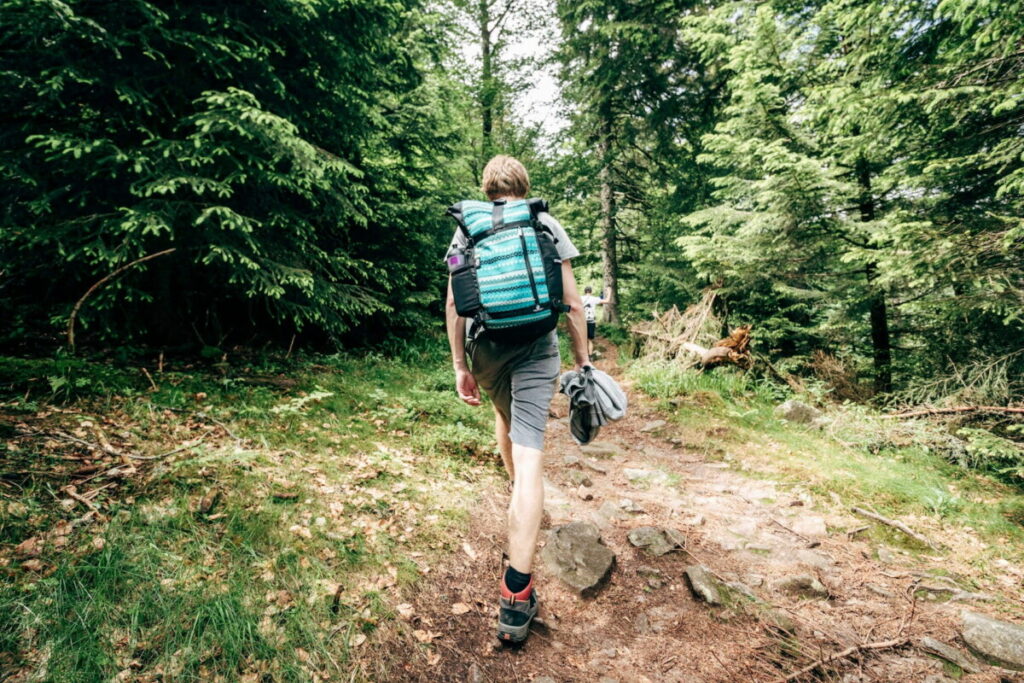
There’s something powerful about taking on a challenging mountain hike. Whether you’re preparing for the Highlander hike in Big Bear or gearing up for another demanding trail adventure, proper preparation can make the difference between an exhausting struggle and an unforgettable experience.
At Big Bear Hiking Adventures, we guide hikers of all experience levels through the mountains of the San Bernardino National Forest, and one of the most common questions we hear is:
“How do I get ready for a big hike?”
The good news is you don’t need to be an elite athlete. With the right preparation, mindset, and gear, most people can safely and confidently tackle longer, more difficult hikes in Big Bear.
Why the Highlander Hike Is Different
The Highlander hike in Big Bear is more than just a casual nature walk. Longer hikes at higher elevation challenge your endurance, hydration, mental focus, and recovery.
Big Bear sits at roughly 6,700–8,000 feet in elevation, which means the thinner mountain air can make physical activity feel more intense than it would at sea level. Even experienced hikers often notice the difference.
Preparing ahead of time helps your body adapt to:
- Elevation gain
- Rocky or uneven terrain
- Longer distances
- Temperature swings
- Sustained uphill climbs
Start Training Before Your Big Hike
Focus on Endurance Over Speed
One of the best ways to prepare for a mountain hike is simply to spend more time walking regularly.
A few weeks before your hike:
- Take longer walks several times per week
- Practice hiking local hills or inclines
- Gradually increase your distance
- Wear the shoes and backpack you plan to use
Consistency matters more than intensity.
Strengthen Your Legs and Core
Mountain hiking uses muscles that many people don’t activate during everyday life.
Helpful exercises include:
- Squats
- Step-ups
- Lunges
- Calf raises
- Gentle core exercises
Even short 15–20 minute workouts can improve stability and reduce fatigue on the trail.
Don’t Ignore Recovery
Rest days are part of training. Stretching, hydration, and sleep all help your body recover and adapt before a major hike.
What to Pack for a Big Bear Hike
Hydration Is Critical
One of the biggest mistakes hikers make in Big Bear is underestimating hydration needs.
Mountain air is dry, and higher elevations can dehydrate you faster than expected.
Bring:
- Plenty of water
- Electrolytes
- A reusable hydration pack or bottles
For longer hikes, many hikers aim for at least 2–3 liters of water depending on weather and trail difficulty.
Wear Proper Hiking Shoes
Footwear can make or break your hike.
Choose hiking shoes or trail runners with:
- Good traction
- Ankle support if needed
- Comfortable fit
- Broken-in soles
Avoid wearing brand-new shoes on a long hike.
Pack Layers for Mountain Weather
Weather in Big Bear can change quickly, especially in the mountains.
A good layering system may include:
- Moisture-wicking base layer
- Lightweight fleece or insulation
- Windbreaker or waterproof shell
- Hat and sunglasses
Even warm days can become chilly in the early morning or evening.
Nutrition Tips for Long Hikes
Eat Before You Hit the Trail
Start your hike fueled with balanced energy.
Good pre-hike foods include:
- Oatmeal
- Bananas
- Peanut butter toast
- Eggs
- Trail mix
Avoid overly heavy or greasy meals before hiking.
Bring High-Energy Snacks
During a longer hike, your body needs consistent fuel.
Easy trail snacks include:
- Protein bars
- Nuts
- Dried fruit
- Jerky
- Peanut butter sandwiches
Small snacks every hour often work better than waiting until you’re exhausted.
Prepare Mentally for the Challenge
Long hikes are just as mental as they are physical.
Some sections may feel difficult, steep, or tiring. That’s normal.
A few mental strategies:
- Focus on steady pacing
- Take short breaks when needed
- Don’t compare yourself to others
- Celebrate small milestones
The goal is progress, not perfection.
Hiking Safety Tips in Big Bear
Know Your Trail Conditions
Before any major hike:
- Check weather forecasts
- Research trail conditions
- Understand the difficulty rating
- Tell someone your hiking plans
Mountain conditions can change rapidly in the San Bernardino National Forest.
Start Earlier Than You Think
Morning starts are ideal for:
- Cooler temperatures
- Better lighting
- More time on trail
- Avoiding afternoon storms
Early starts also create a more relaxed hiking experience overall.
Guided Hikes Can Make a Huge Difference
For many hikers, joining a guided experience helps remove stress and uncertainty.
A guided hike can provide:
- Navigation support
- Local trail knowledge
- Safety awareness
- Group motivation
- Educational insights about the forest
At Big Bear Hiking Adventures, we help hikers build confidence while exploring some of the most beautiful trails in Big Bear.
Whether you’re preparing for the Highlander hike or simply looking to improve your mountain hiking skills, guided experiences can help you feel more prepared and connected to the outdoors.
Final Thoughts on Preparing for a Big Hike
Preparing for the Highlander hike in Big Bear doesn’t require perfection, just intentional preparation.
Train consistently, hydrate well, pack smart, and respect the mountain environment. With the right mindset and preparation, challenging hikes become some of the most rewarding experiences you can have outdoors.
Big adventures start one step at a time.