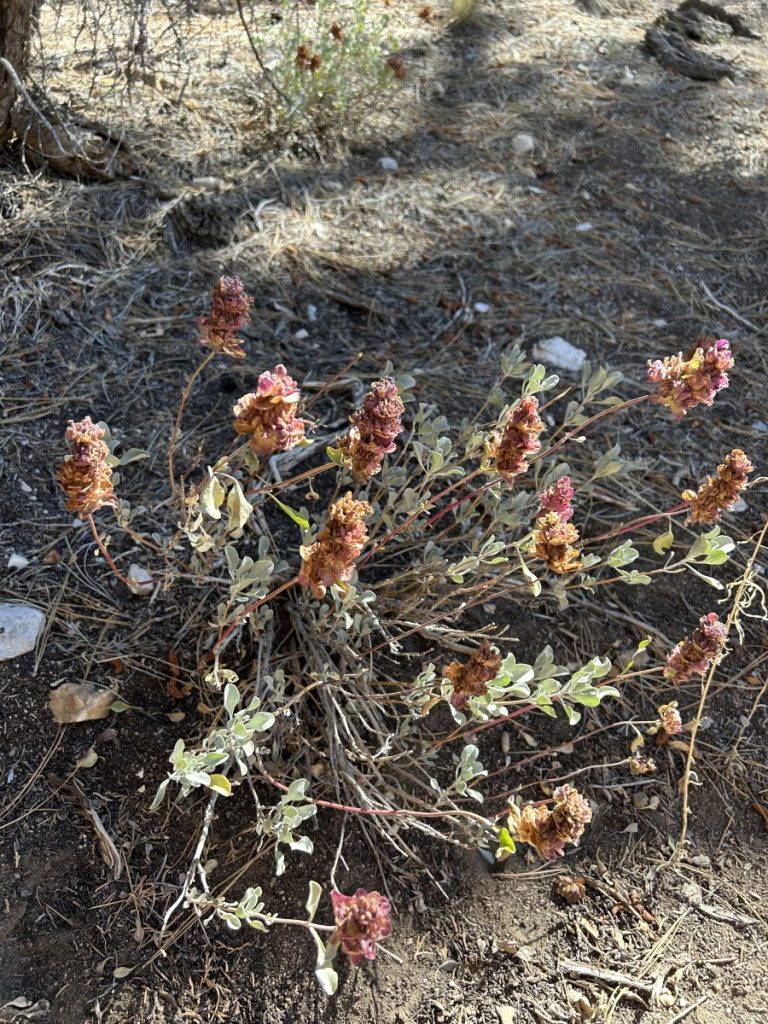
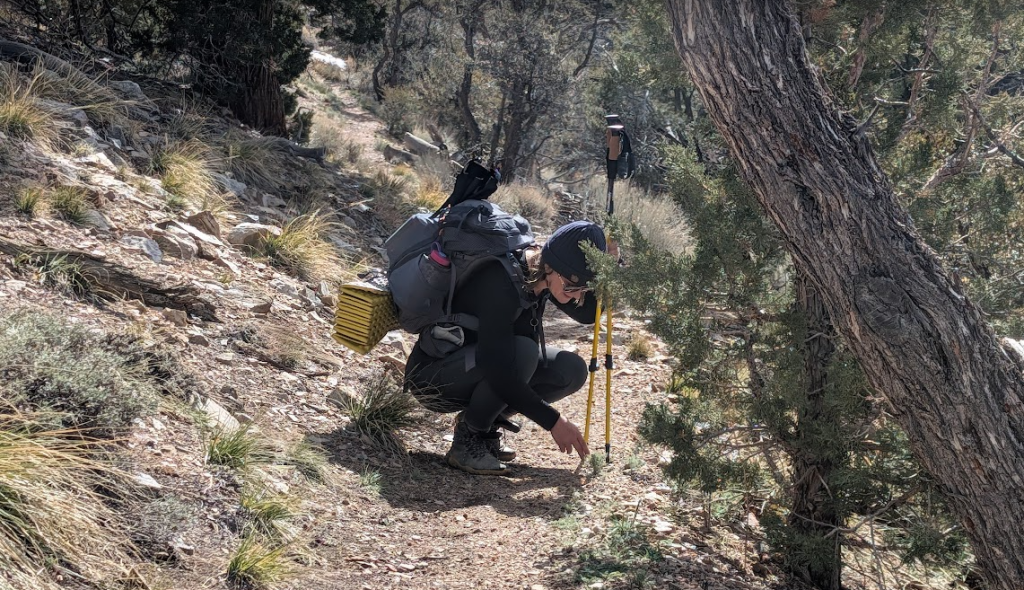
One of the best things about hiking in Big Bear is that the trail itself is only part of the experience. Look closely and you’ll find a whole world of plants, trees, birds, insects, and wildlife living around you.
The San Bernardino Mountains are home to a surprisingly diverse collection of habitats. Changes in elevation, moisture, soil, and exposure create different environments for plants and animals, even within a relatively small area. The San Bernardino National Forest includes hundreds of miles of hiking trails, giving hikers plenty of opportunities to experience that diversity….if you know what to look for.
So next time you’re walking a Big Bear trail, take a moment to look beyond the view. You never know what you might discover.
The Trees of Big Bear
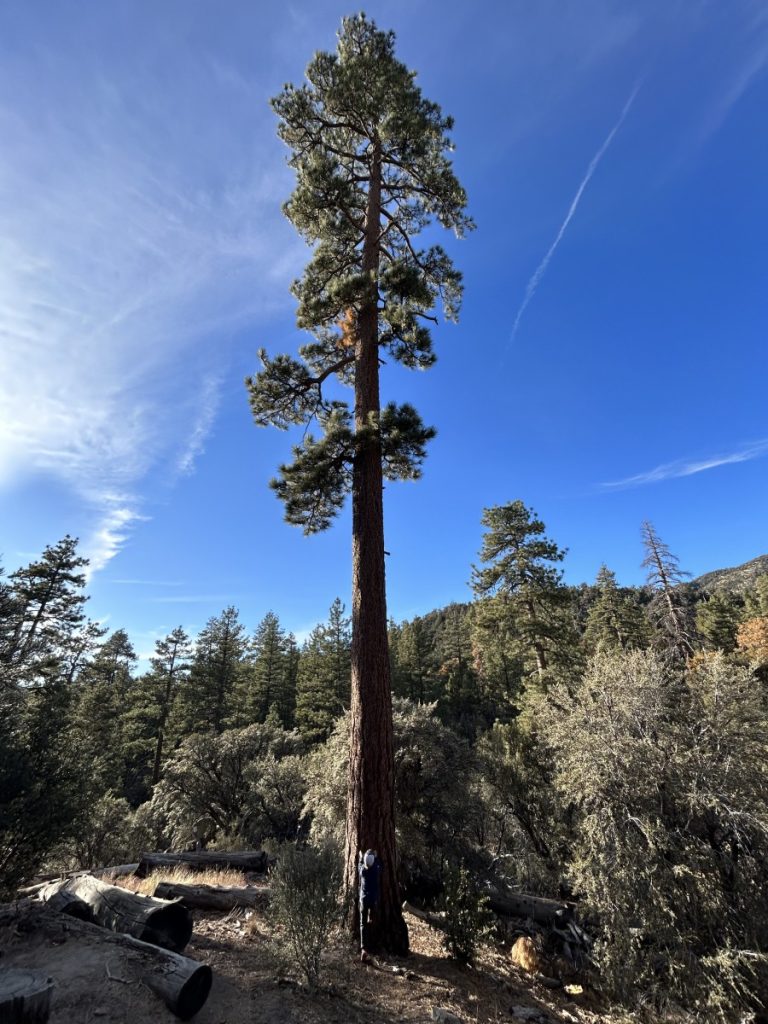
The tall trees are probably the first part of Big Bear’s flora you’ll notice.
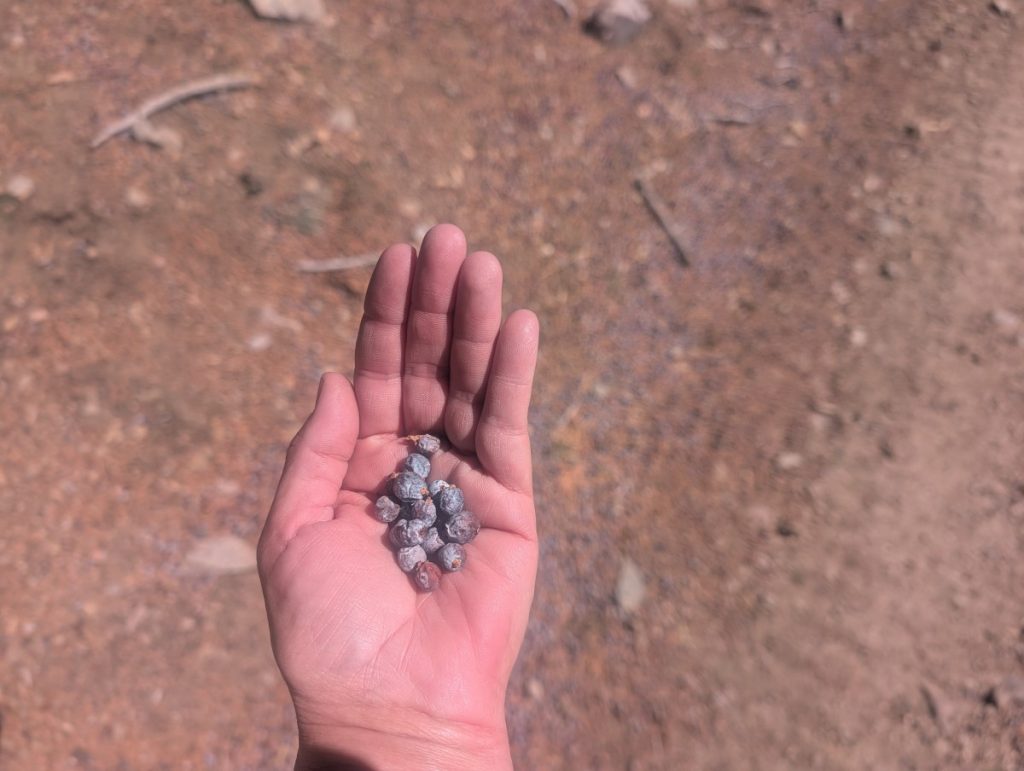
Jeffrey pines are especially characteristic of the higher-elevation forests around Big Bear. You may also encounter white fir, incense cedar, juniper, and singleleaf pinyon depending on where you are hiking.
Singleleaf pinyon and juniper are particularly interesting because they are adapted to the drier conditions found in portions of the eastern San Bernardino Mountains. The combination of pinyon, juniper, and other mountain plants creates an ecosystem that is very different from the forests found at lower elevations.
And don’t forget to look down occasionally. The forest floor can be just as interesting as the canopy.
Wildflowers and Other Plants
Spring and summer can bring an entirely different look to Big Bear’s trails as wildflowers and other plants emerge.
Depending on the season, you may see lupines, penstemons, wild buckwheat, manzanita, ceanothus, and other native plants. Manzanita is particularly well adapted to Southern California’s mountain and rugged environments and can be found in several plant communities throughout the San Bernardino Mountains.
Big Bear also contains a unique habitat known as pebble plain. These small, open areas among the forest support plants that are specially adapted to their unusual rocky soils. Some of the plants found there are rare and have very limited distributions, making these areas especially important to protect.
If you spot a beautiful wildflower while hiking, enjoy it where it grows. Taking photos is a great way to remember what you found without disturbing the plant or its habitat.
Birds Are Everywhere: Listen
You don’t always have to see wildlife to experience it.
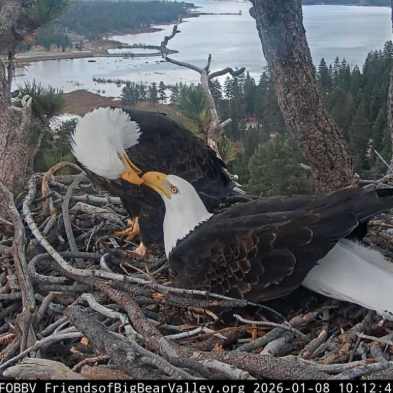
Birds are some of the easiest wildlife to encounter on Big Bear hiking trails. Listen for calls coming from the trees, watch the branches and shrubs, and occasionally look toward the sky.
You may encounter mountain chickadees, Steller’s jays, woodpeckers, hawks, ravens, and other mountain birds. You may even spot our local celebrity Shadow if you’re lucky. Some birds are easier to spot than others, but learning to recognize their calls can make a hike feel like a completely different experience.
A quiet trail can become surprisingly lively once you start paying attention.
Mammals of the San Bernardino Mountains
Big Bear’s forests and surrounding mountains provide habitat for many different mammals.
You might see squirrels, chipmunks, rabbits, deer, frogs, and other smaller animals while hiking. Larger animals—including black bears and mountain lions—also live in the broader San Bernardino National Forest.
That doesn’t mean you’re likely to see one. In fact, most wildlife would much rather avoid you.
That’s one reason responsible wildlife viewing is so important. The Forest Service recommends observing and photographing wildlife from trails or designated observation areas and maintaining a safe distance.
If you happen to encounter a wild animal, give it plenty of room. Don’t approach it for a photo, feed it, or try to make it come closer.
Don’t Forget the Small Stuff
Some of the most fascinating wildlife on Big Bear trails is easy to overlook.
Butterflies, bees, beetles, spiders, and other insects play important roles in the mountain ecosystem. They pollinate plants, provide food for other animals, break down organic material, and help keep the ecosystem functioning.
Some of the area’s unique habitats even support rare butterflies. The Forest Service notes that Big Bear’s pebble plain habitat provides the host plants needed by several rare butterfly species, including species that are found only in this type of habitat.
So that little butterfly flying past you might be more interesting than you realize.
Every Season Changes the Trail
One of the fun things about exploring Big Bear hiking trails is that you can walk the same trail at different times of year and have a completely different experience.
Spring brings emerging greenery and wildflowers. Summer offers lush forest growth and active wildlife. Fall can bring changing colors and cooler temperatures. Winter transforms the landscape with snow and creates an entirely different environment for plants and animals.
The mountain is never quite the same twice.
How to Enjoy Big Bear’s Flora and Fauna Responsibly
Exploring nature also means helping protect it.
When you’re hiking:
- Stay on established trails whenever possible.
- Leave plants, rocks, flowers, and other natural objects where you find them.
- Watch wildlife from a safe distance.
- Never feed wild animals.
- Keep food and trash secured.
- Keep your dog under control where dogs are permitted.
- Take photos instead of souvenirs.
- Leave the trail better than you found it.
These simple choices help protect the habitats that make Big Bear special.
Take a Closer Look
The next time you hike in Big Bear, try slowing down just enough to notice the smaller details.
Look at the bark on a pine tree. Listen for birds you can’t see. Watch for movement in the bushes. Notice which plants are growing in sunny areas compared with shady ones.
You don’t have to be a botanist or wildlife expert to appreciate the flora and fauna of the San Bernardino Mountains.
Sometimes, you just have to look around.
And that’s one of the best parts of hiking in Big Bear: the trail isn’t just taking you somewhere. It’s giving you a chance to experience a living mountain ecosystem along the way. What an adventure!