
Hiking for Wellness: How Time on the Trail Can Support Your Body, Mind, and Spirit
There is something about walking outside that can make life feel a little different.
Maybe it’s the rhythm of your feet on the trail. It may be breathing cool mountain air. Maybe it’s looking up from the trail and realizing you’ve been staring at your phone for the last three hours.
Or maybe it’s simply having somewhere to go when you need a change of scenery.
Hiking isn’t a cure for depression, addiction, grief, trauma, or any other mental health challenge. It doesn’t replace therapy, medication, medical care, or a strong support system.
But hiking can be one piece of a bigger wellness picture.
And sometimes, that piece matters more than we realize.
Hiking Supports Physical Wellness
Let’s start with the most obvious benefit: hiking gets your body moving.
You don’t have to run a marathon or conquer a mountain to benefit from physical activity. Walking itself counts. The Centers for Disease Control and Prevention (CDC) notes that even some physical activity is better than none, and regular physical activity can support heart health, bone and muscle strength, sleep, healthy weight, and brain health. It can also reduce the risk of depression and anxiety.
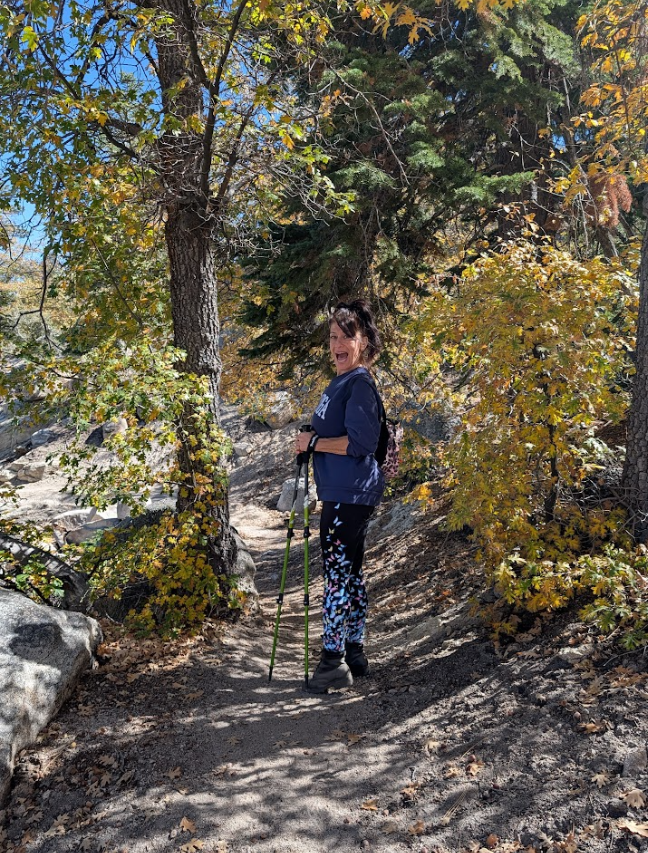
Hiking adds a few things that make walking especially enjoyable.
You’re moving over natural terrain. You are using your legs, core, and balance. You’re changing elevation. You’re breathing fresh air. And, depending on the trail, you’re getting a little bit of sunshine along the way.
And you don’t have to hike hard to benefit.
A gentle walk through the woods can still be movement.
A short trail can still be a workout.
And a slow hike can still be a meaningful step toward taking better care of yourself.
Hiking and Mental Wellness
This is where things get especially interesting.
Physical activity isn’t just good for your muscles and cardiovascular system. It’s good for your brain, too.
The CDC reports that physical activity can reduce anxiety and depression and support cognitive health.
And when that activity happens outdoors, there may be another layer.
A systematic review and meta-analysis examining nature walks found evidence that walking in natural environments can improve symptoms associated with anxiety and depression.
Think about what happens when you’re on a trail.
You’re paying attention to where you’re stepping.
You notice the trees and hear the birds.
The feel of the temperature change as you move through the forest becomes noticable.
You see a lake or a mountain you wouldn’t see from your living room.
For a little while, your attention has somewhere else to go.
That doesn’t mean the difficult thoughts disappear. But sometimes they aren’t quite as loud.
And sometimes that’s enough to give your mind a little breathing room.
Hiking Can Be Part of Recovery
Recovery looks different for everyone.
For someone recovering from alcohol or substance use, building a life that contains healthy activities, meaningful connections, and things to look forward to can be an important part of the process.
SAMHSA describes recovery as a highly personal process that can include many different pathways and emphasizes health, purpose, and community as important dimensions of recovery.
SAMHSA also specifically recognizes physical activity as something that can support recovery from substance use and mental health challenges.
Hiking can fit naturally into that picture.
It gives you somewhere to be.
Something to do.
A reason to get out of the house.
A chance to spend time with people who support you.
And maybe even a new way to spend a Saturday that doesn’t revolve around drinking.
For people in alcohol recovery, those alcohol-free activities can be particularly valuable. NIAAA notes that supportive people and activities that don’t involve alcohol can be part of supporting recovery.
A hike isn’t a treatment for alcohol use disorder.
But it can be part of building a life that feels good to come back to.
What About Depression?
Depression can make even simple things feel incredibly difficult.
Getting dressed can feel like work.
Leaving the house can feel like work.
Moving your body can feel like work.
So “just go for a hike” isn’t particularly helpful advice when someone is struggling with significant depression.
But for someone who is able and willing to get outside, even a short walk may be a worthwhile addition to their wellness routine.
Research and public health guidance consistently support physical activity as beneficial for mental health. The CDC notes that regular physical activity can reduce the risk of depression and anxiety, while the VA notes that exercise may help improve symptoms of mild depression and may help prevent depression from returning.
The key is to take the pressure off.
You don’t have to hike five miles.
There are no points for reaching a summit.
You don’t even have to feel happy while you’re doing it.
You just have to take the next step.
Hiking, Grief, and Life After Loss
Grief doesn’t follow a trail map.
There isn’t a particular number of miles you have to walk before you’re supposed to feel better.
But being outside can give grief somewhere to exist.
Walking can give your hands and feet something to do when your mind feels overwhelmed. Nature can offer quiet when the world feels too noisy. And being around other people can remind you that you don’t have to carry everything completely alone.
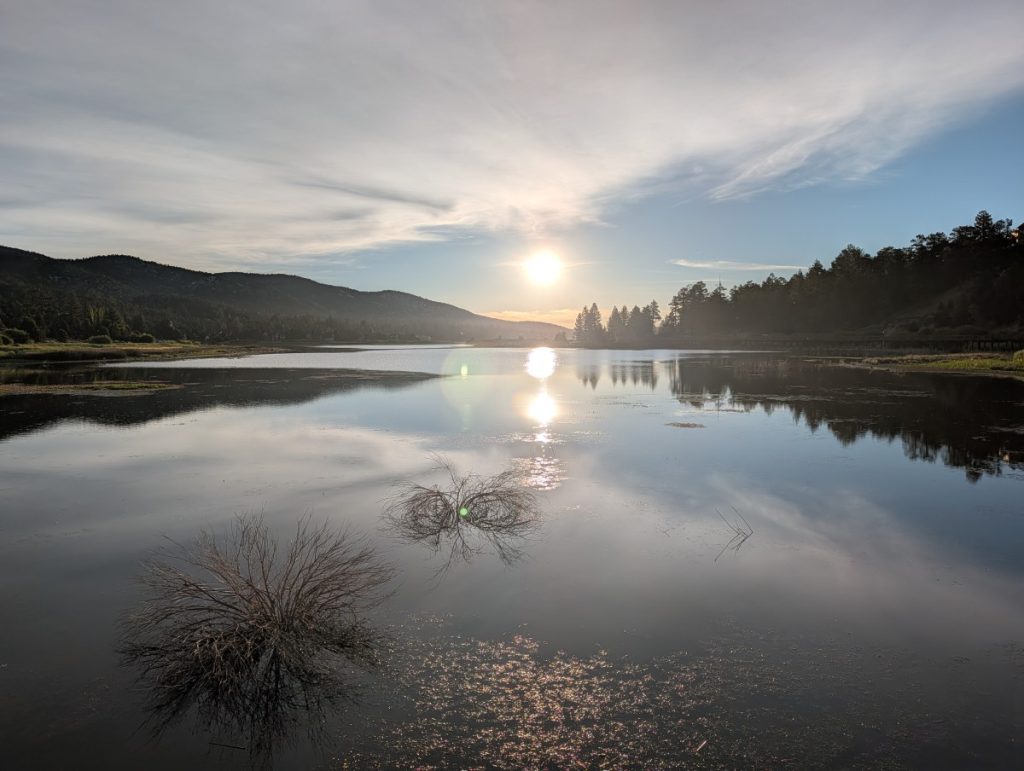
For some people, returning to a favorite trail can also become a way of remembering someone.
A place can hold memories.
A mountain can become part of your story.
And sometimes, simply being somewhere beautiful reminds us that there is still beauty in the world, even when we’re having trouble seeing it.
Hiking After a Suicide Attempt or During Suicide Recovery
This is an especially important conversation to have with care.
Surviving a suicide attempt can be followed by a complicated recovery that may involve physical healing, emotional healing, therapy, changes in relationships, and learning how to move forward.
Hiking is not a substitute for professional mental health care or suicide-prevention treatment.
But movement, time outdoors, supportive relationships, and meaningful activities can all be pieces of a broader wellness routine.
The VA identifies connection with other people and positive coping skills as important protective factors in suicide prevention and emphasizes the importance of evidence-based treatment and ongoing support.
For someone who has survived a suicide attempt, a hike might be something as simple as:
“I’m going somewhere today.”
“I am going to spend an hour outside.”
“I’m going to walk beside someone I trust.”
“I am going to keep moving forward, one step at a time.”
Those aren’t substitutes for treatment.
They’re small acts of living.
And sometimes recovery is built from a lot of small acts.
If you or someone you know is experiencing thoughts of suicide or is in immediate danger, seek professional crisis support or emergency care rather than relying on hiking or exercise.
There Can Be a Spiritual Side to Hiking, Too
Spirituality doesn’t have to mean religion.
For some people, spirituality is faith.
For others, it’s a sense of connection, wonder, gratitude, purpose, or simply feeling like you’re part of something bigger than yourself.
The trail can create room for that.
There are no notifications in the middle of the forest.
No meetings.
Laundry isn’t waiting.
No grocery list.
Just trees, sky, rocks, birds, wind, and your own thoughts.
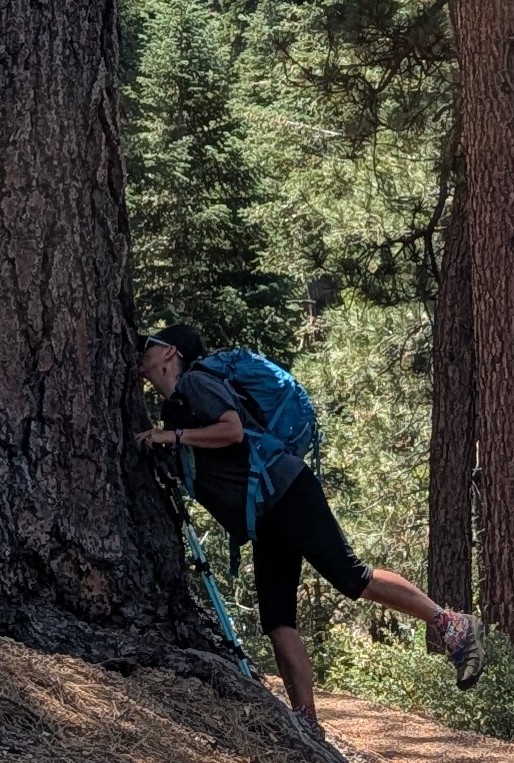
Maybe you stop beside a lake and realize you’ve been holding your breath about something for months.
Maybe you reach an overlook and suddenly your problems seem a little smaller.
Or maybe you don’t experience anything profound at all.
That’s okay, too.
Sometimes wellness isn’t about having a life-changing revelation.
Sometimes it’s just about being present for the life you’re already living.
Hiking Can Create Connection
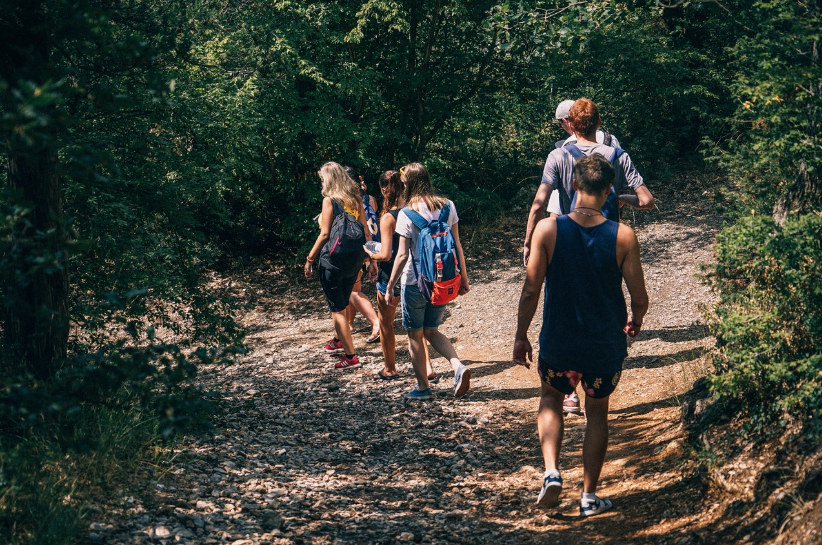
One of the most underrated parts of hiking is the people.
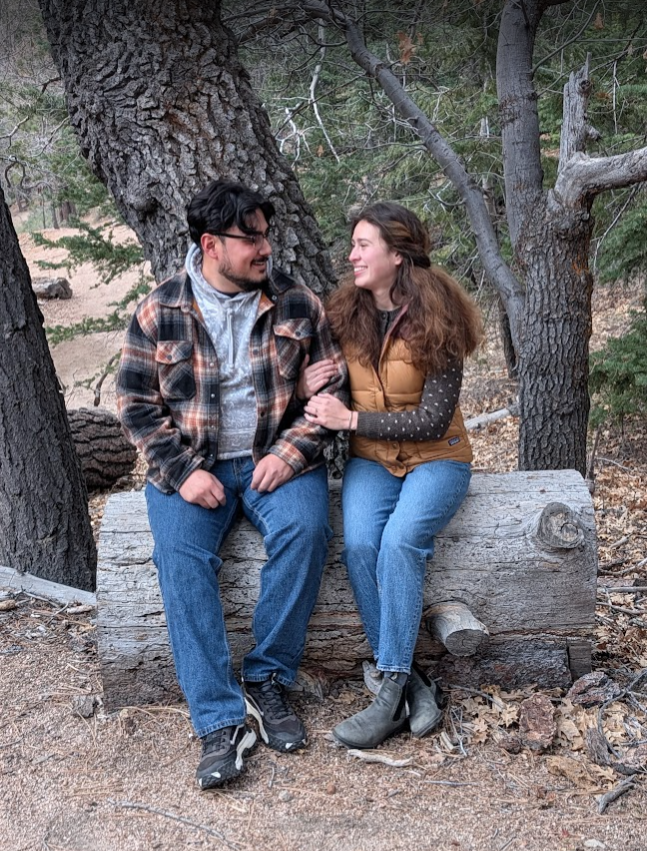
Walking alongside someone creates a different kind of conversation.
You’re not necessarily sitting across a table staring at each other.
You’re walking.
Talking.
Getting quiet.
Talking again.
Sometimes people share things on a trail that they wouldn’t think to say sitting at home.
And you don’t have to talk the entire time.
There’s something comforting about being with another person in comfortable silence.
For people working through depression, grief, addiction, anxiety, or major life changes, that sense of connection can be incredibly meaningful.
You don’t have to explain everything.
Sometimes you just need someone willing to walk beside you.
Wellness Doesn’t Have to Look Like a Perfect Morning Routine
There’s a lot of pressure these days to “optimize” ourselves.
Wake up at 5 a.m.
Meditate.
Drink the perfect smoothie.
Work out.
Journal.
Cold plunge.
Track everything.
And somehow be productive before most people have finished their coffee.
That’s not realistic for everyone.
Wellness can be much simpler.
Drink some water.
Get some sleep.
Call a friend.
Talk to your therapist.
Take your medication if you’ve been prescribed it.
Eat something nourishing.
Go outside.
Take a walk.
Sit under a tree.
Watch the sunset.
And maybe, when you’re ready, walk a little farther.
The CDC’s message is refreshingly simple: some physical activity is better than none, and every bit counts.
You Don’t Have to Be a “Hiker” to Experience the Benefits
This might be my favorite part.
You don’t have to think of yourself as a hiker.
No expensive gear is needed.
You don’t need to know every plant and bird.
Nor do you need to hike ten miles.
You don’t need to be fast.
And you definitely don’t need to prove anything.
A trail is still a trail whether you walk it in hiking boots or sneakers.
Whether you stop every five minutes to take pictures.
Whether you reach the top or turn around halfway, or you’re walking alone or with someone you love.
The goal isn’t to become a better hiker.
The goal can simply be to feel a little more connected to yourself and the world around you.
One Step Is Still a Step
Wellness isn’t a destination.
Neither is recovery.
Neither is healing.
There will be good days and difficult days. There will be days when you feel strong and days when getting out the door feels like the hardest part.
That’s okay.
You don’t have to figure out the whole path today.
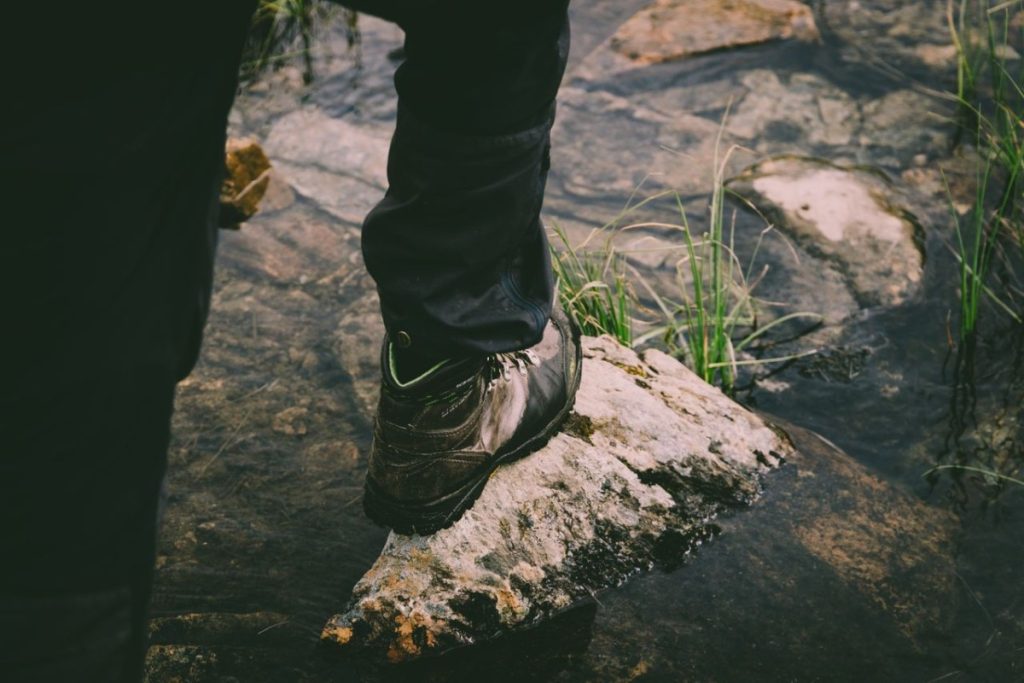
You can just take the next step.
And then the next one.
Sometimes that step happens on a trail.
It sometimes happens in a therapist’s office.
Sometimes it happens at a recovery meeting, around a kitchen table, or while calling someone you trust.
And sometimes, it happens while standing beneath a big mountain, breathing deeply, and remembering that you’re still here.
That’s worth something.
A Note on Wellness and Mental Health
Hiking and outdoor recreation can complement a person’s overall wellness plan, but they are not a replacement for professional medical or mental health care.
If you’re struggling with depression, substance use, trauma, suicidal thoughts, or another mental health concern, reaching out to a qualified professional is an important part of getting support.
Your path doesn’t have to look like anyone else’s.
And you don’t have to walk it alone.
Sources and Further Reading
- Centers for Disease Control and Prevention — physical activity and health benefits.
- U.S. Department of Veterans Affairs — physical activity and mental health.
- Substance Abuse and Mental Health Services Administration — physical activity, wellness, and recovery.
- National Institute on Alcohol Abuse and Alcoholism — recovery from alcohol use disorder.
- Systematic review and meta-analysis on nature walks, anxiety, and depression.